


DataOps is the framework that helps enterprises turn data ambition into real data-driven outcomes. By combining the right practices, culture, and orchestration technology, DataOps bridges the persistent gap between having data and reliably acting on it—making it the essential foundation for any organization serious about becoming data driven.
With enterprises across the world making concerted efforts to become data driven, several important disconnects have developed along the way. More than 60 percent of enterprises today expect employees to use data for decisions, but only a third of employees strongly believe their actions are data driven—and even fewer trust the data, according to Improving Business Outcomes with DataOps Orchestration, a recent IDC Analyst Connection sponsored by BMC. That’s consistent with the 2022 results from New Vantage Partners, which found that 97 percent of organizations are investing in data initiatives, but only 27 percent feel they have been successful at becoming data-driven organizations.
These disappointments—particularly in artificial intelligence and machine learning (AI/ML)—are occurring despite access to more data sources and software resources than ever before. So what’s stopping companies from succeeding? It comes down to complexity and culture.
Why do data initiatives fail to deliver value?
The core problem is operationalization: if data initiatives can’t be made to work reliably at scale, they won’t produce the expected value.
To respond to this challenge, the industry is adopting DataOps as a set of practices that industrialize the operational aspects of data initiatives. An influential and widely used approach, described in The DataOps Manifesto, addresses the leadership, cultural, and management principles organizations should embrace to make analytics and related efforts successful. It speaks to the importance of data orchestration but focuses much more on cultural than technical steps to success.
Wherever you are in your efforts to make better use of data, developing a solid DataOps program is a tangible step you can take today. Organizations not getting the expected value from their data investments should examine how they manage data before making any major new investments. Because of the data sources and tooling available today, enterprises have incredible freedom in what they can develop to become data driven. But as IDC Research Director Stewart Bond notes in the study, “Freedom without a framework is chaos.”
DataOps provides the framework enterprises need to control that chaos—provided the DataOps program can orchestrate across all data sources, internal and external data users, and every infrastructure component, software asset, and process in between.
Why is orchestration the critical requirement for DataOps?
Orchestration is what allows DataOps to function at enterprise scale—without it, even well-designed data pipelines break down under the weight of real-world complexity.
The desire to be data driven and the need for DataOps are not new, but the complexity organizations now face is unprecedented. According to the IDC Analyst Connection, two-thirds of organizations are already using at least ten different data engineering and intelligence tools. These tools—and the applications that depend on them—are rarely centralized, instead spread across multicloud and on-premises infrastructure.
A real-world example: Tampa General Hospital
Soon after the COVID-19 pandemic hit, Tampa General Hospital was sharing data about case counts, available ICU beds and ventilators, and other critical information with dozens of hospitals and providers across its region to support a coordinated response. Daily dashboards relied on file transfers and ETL operations from multiple health systems across Florida. Control-M orchestrated it all, enabling hospital and public health officials to make decisions based on comprehensive, up-to-date information. DataOps is the key to keeping complex environments like this functioning reliably—and orchestration is the key requirement for DataOps today.
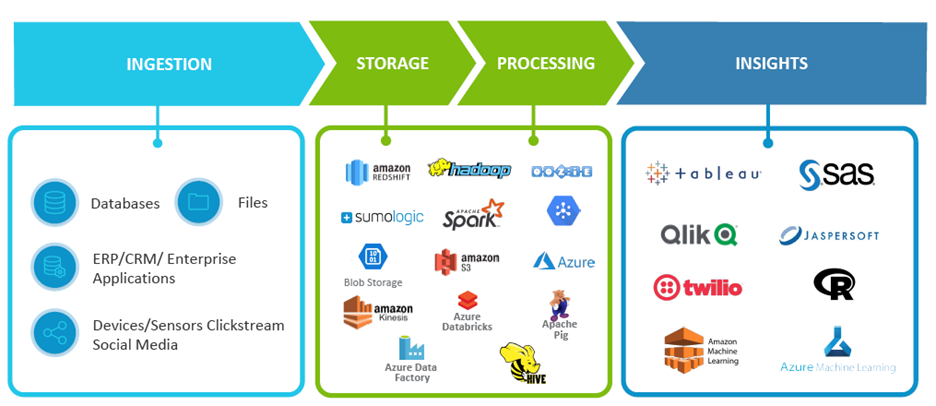
Figure 1. Fundamental Components of a Data Pipeline, BMC Software
While individual tools can be highly functional, they have limited value in the real world if they can’t effectively work together. The inability to automate across processes demonstrates how complexity limits the value of data programs. That’s why the ability to orchestrate—in addition to automate—is so important now. DataOps addresses this orchestration challenge along with the human elements related to sharing and collaborating across enterprise functions.
How Control-M supports DataOps orchestration
Some organizations have achieved success by executing entirely in the cloud, using Control-M to orchestrate and automate all data ingestion, analysis, and automated remediation processes. Control-M has also evolved to meet today’s DataOps workflow orchestration needs, helping organizations control potential chaos by injecting automation and orchestration into DataOps at scale. As IDC points out, data logistics is experiencing a renaissance—legacy data management and automation capabilities are being refactored, reimagined, and modernized to accelerate work in the modern data environment and help rein in the chaos.
Get more of IDC’s research-backed perspective on how DataOps and orchestration add value to data initiatives in the full Improving Business Outcomes with DataOps Orchestration (doc #US49015622, April 2022) and click here to learn more about how BMC is helping companies become a Data-Driven Business.
Frequently asked questions about DataOps and becoming data driven
What is DataOps and how does it help organizations become data driven?
DataOps is a set of practices that industrializes the operational aspects of data initiatives, combining automation, orchestration, and cultural principles to help organizations reliably deliver trusted data at scale. DataOps helps close the gap between data investment and data-driven outcomes by making data pipelines more consistent, governed, and actionable across the enterprise.
Why do most enterprises fail to become data-driven organizations?
Despite widespread investment, most enterprises struggle because of two interconnected problems: complexity and culture. Managing data across multicloud environments, dozens of tools, and multiple teams creates operational friction that individual point solutions can’t resolve without an overarching framework. DataOps provides that framework.
What role does orchestration play in DataOps?
Orchestration is the mechanism that allows DataOps to function at enterprise scale. Without orchestration, data processes across disparate tools, infrastructure, and teams can’t be coordinated reliably. Orchestration platforms like Control-M automate and sequence the end-to-end data pipeline—from ingestion through analysis—so data reaches decision-makers accurately and on time.
What is the DataOps Manifesto?
The DataOps Manifesto is an influential framework that outlines the leadership, cultural, and management principles organizations should adopt to make data analytics initiatives successful. It emphasizes continuous improvement, cross-functional collaboration, and the importance of orchestrating data flows consistently across the enterprise.
How does Control-M support DataOps orchestration?
Control-M orchestrates and automates data ingestion, transformation, analysis, and remediation processes across cloud and on-premises environments. Control-M enables organizations to manage complex, multi-tool DataOps workflows from a single platform, reducing manual intervention, improving pipeline reliability, and giving operations teams the visibility they need to make data-driven decisions with confidence.
The views and opinions expressed in this post are those of the author and do not necessarily reflect the official position of BMC.
These postings are my own and do not necessarily represent BMC's position, strategies, or opinion.
See an error or have a suggestion? Please let us know by emailing blogs@bmc.com.